AI vs Human Intelligence
Introduction
What is Artificial Intelligence?
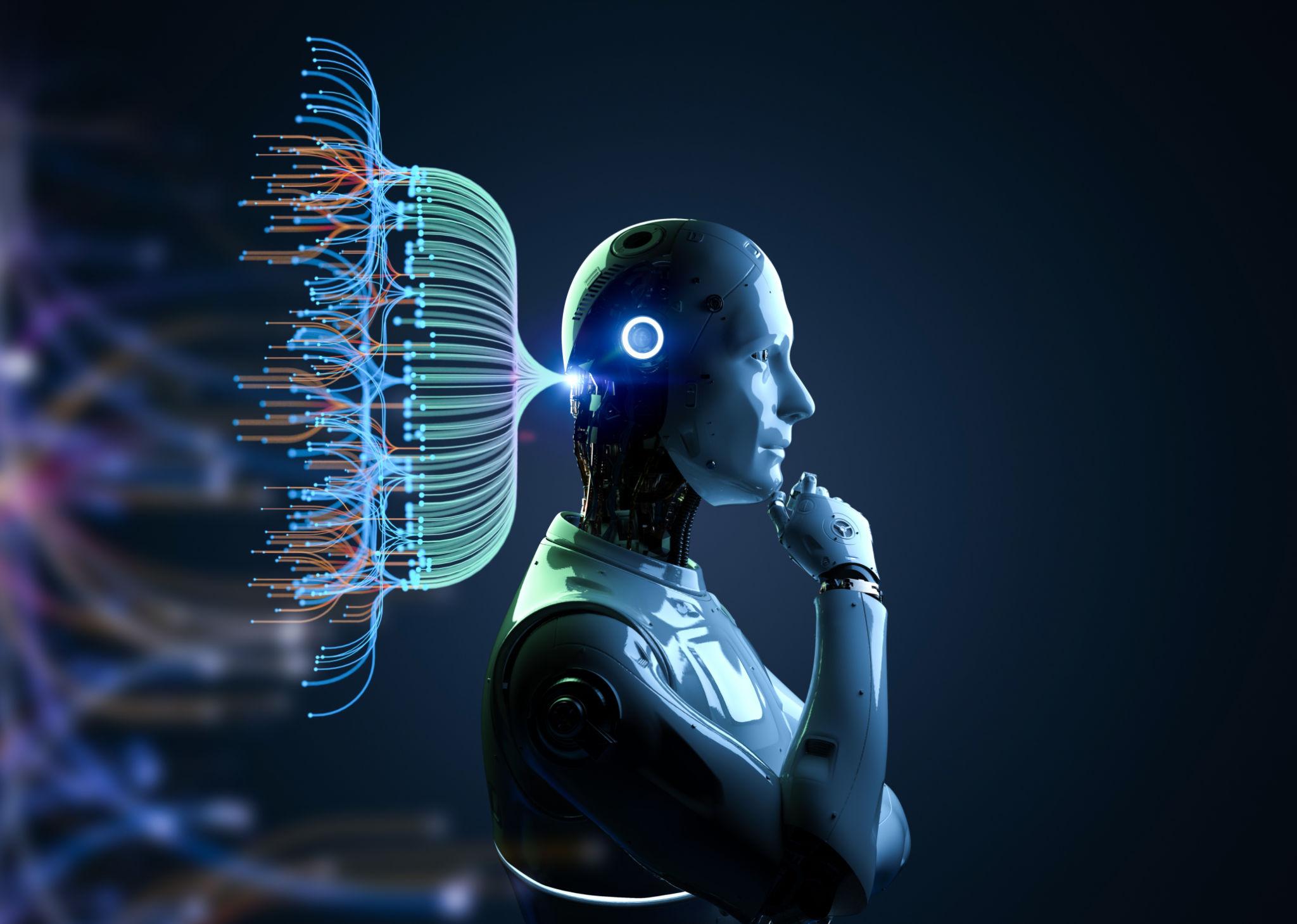
Artificial Intelligence is the ability of machines to perform tasks that typically require human intelligence. These tasks include learning, reasoning, decision-making, and language understanding. AI systems use algorithms, data, and computational power to improve their performance over time.
Key Features of AI
- Works on data and algorithms
- Can process large amounts of information quickly
- Learns through machine learning
- Performs repetitive tasks efficiently
What is Human Intelligence?
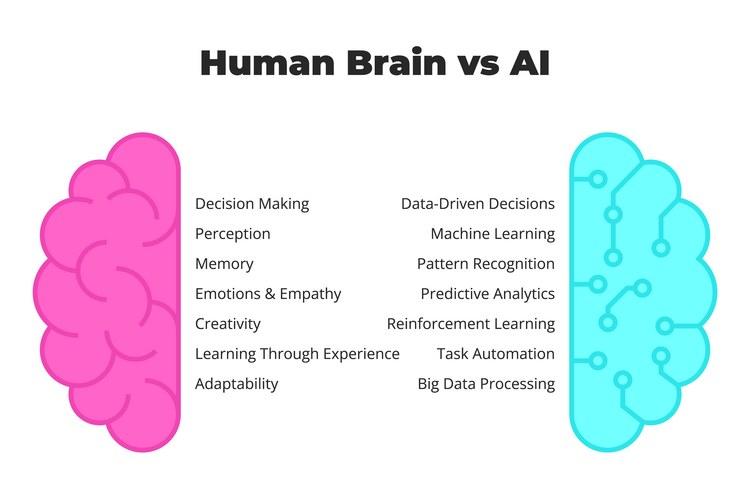
Human Intelligence refers to the natural mental ability of humans to think, understand, learn, and adapt. It includes emotional understanding, creativity, critical thinking, and consciousness.
Key Features of Human Intelligence
- Ability to think creatively
- Emotional understanding and empathy
- Adaptability in new situations
- Moral and ethical reasoning
Differences Between AI and Human Intelligence
1. Learning Process
AI learns from data and patterns, whereas humans learn from experiences, emotions, and observations.
2. Creativity
Humans are highly creative and imaginative. AI can generate content, but it lacks true originality and emotional depth.
3. Decision-Making
AI makes decisions based on data and algorithms, while humans consider emotions, ethics, and intuition.
4. Speed and Accuracy
AI can process information much faster and more accurately than humans in specific tasks.
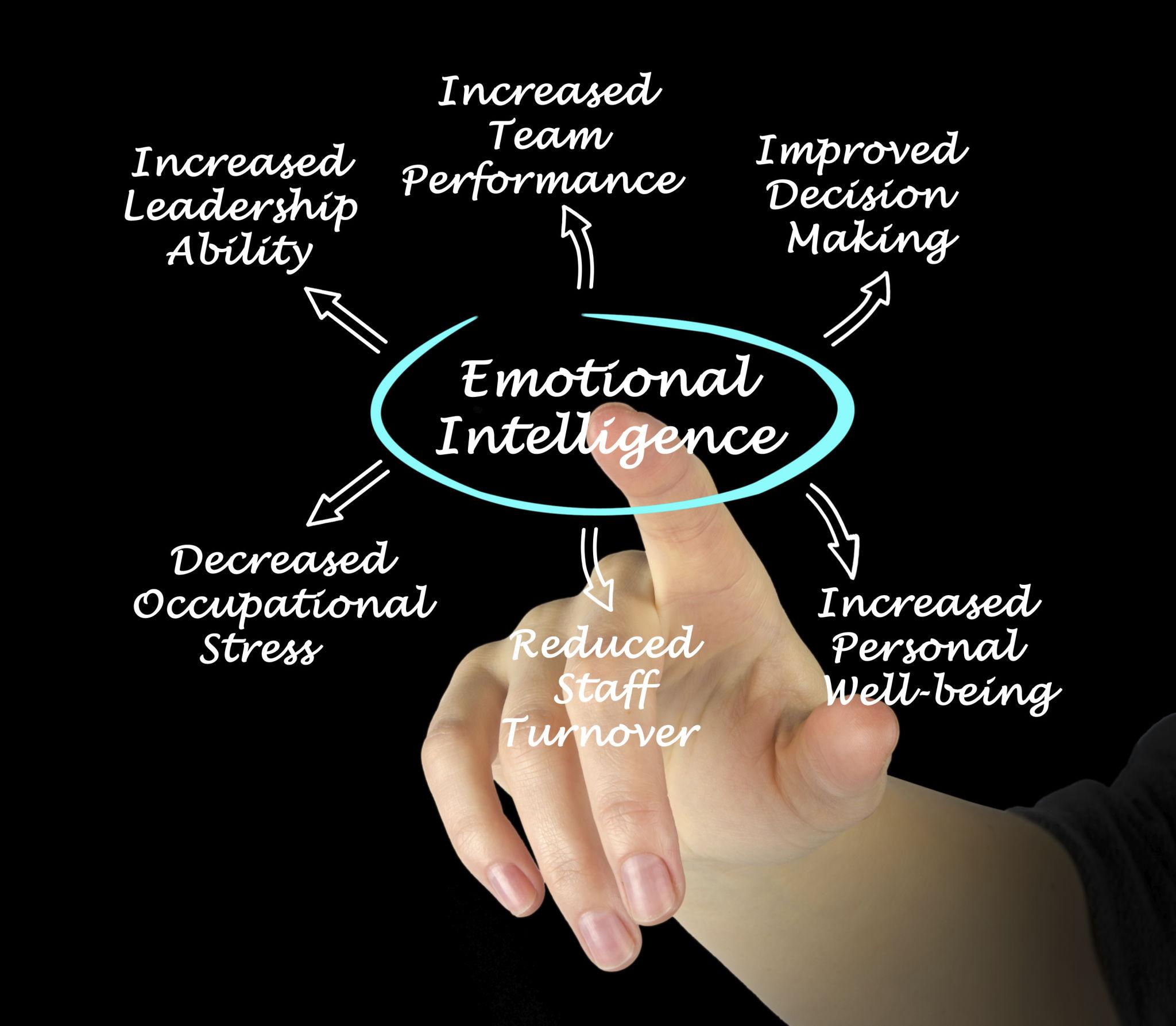
5. Emotional Intelligence
Humans possess emotional intelligence, which helps in understanding feelings and relationships. AI lacks genuine emotions.
Advantages of Artificial Intelligence
- High speed and efficiency
- Reduces human effort
- Works without fatigue
- Useful in healthcare, business, and education
Advantages of Human Intelligence
- Creativity and innovation
- Emotional and social understanding
- Ethical decision-making
- Ability to adapt to unpredictable situations
Can AI Replace Human Intelligence?
AI is powerful but cannot fully replace human intelligence. It lacks consciousness, emotions, and moral judgment. Instead, AI should be seen as a tool that enhances human capabilities rather than replacing them.
Future of AI and Humans
The future lies in collaboration between AI and humans. AI can handle repetitive and data-driven tasks, while humans focus on creativity, leadership, and emotional understanding. Together, they can achieve greater progress.
Conclusion
AI and Human Intelligence each have their own strengths and limitations. While AI excels in speed and efficiency, human intelligence remains superior in creativity, emotions, and ethical thinking. The key to success in the future is not competition but collaboration between humans and intelligent machines.